
The mining industry is one of the most hazardous sectors in the world, with workers exposed to various risks that can result in serious injuries, illnesses, and even fatalities. Ensuring health and safety in mining is not just a regulatory requirement but a moral obligation to protect the workforce. The environmental, health, and safety (EHS) guidelines for mining set forth by the World Bank Group offer a framework for managing and mitigating these risks, ensuring that mining activities are carried out safely and sustainably.
The Scope of Occupational Health and Safety in Mining
Mining operations encompass a wide range of activities, each with its own set of potential hazards. These can be broadly classified into general workplace safety, hazardous substances, use of explosives, electrical safety, physical hazards, and specific underground mining hazards. The overarching goal of occupational health and safety (OHS) in mining is to create a work environment where risks are minimized, and workers can perform their duties without the threat of injury or health issues.
General Workplace Safety
One of the fundamental aspects of OHS in mining is the implementation of comprehensive safety management plans. These plans include the preparation of emergency response strategies, ensuring that sufficient first aid resources are available, and providing specific training on health and safety management. In mining, the isolated and often remote nature of worksites makes it even more critical to have robust emergency response capabilities. Regular safety meetings, such as daily talks before the start of shifts, are also essential in reinforcing safety protocols and ensuring that all workers are aware of the risks and the measures in place to mitigate them.
Hazardous Substances and Explosives
Mining involves the handling of various hazardous substances, from chemicals to explosives. Managing these substances safely requires adequate ventilation, dust and fume extraction systems, and the availability of emergency eyewash and shower stations. The use of explosives in mining is another area where stringent safety measures are necessary. This includes the proper handling, transportation, and storage of explosives, as well as the implementation of controlled blasting schedules and comprehensive training for personnel involved in these activities.
Electrical Safety and Physical Hazards
Electrical safety in mining is critical, given the potential for severe accidents. The development of competency standards for electrical work, along with the use of safety devices on all distribution circuits, helps in mitigating these risks. Additionally, physical hazards such as rockfalls, landslides, and the use of heavy machinery are ever-present in mining operations. Geotechnical safety measures, proper planning and design of mining structures, and regular monitoring are essential in preventing accidents related to these physical hazards.
Specific Hazards in Underground Mining
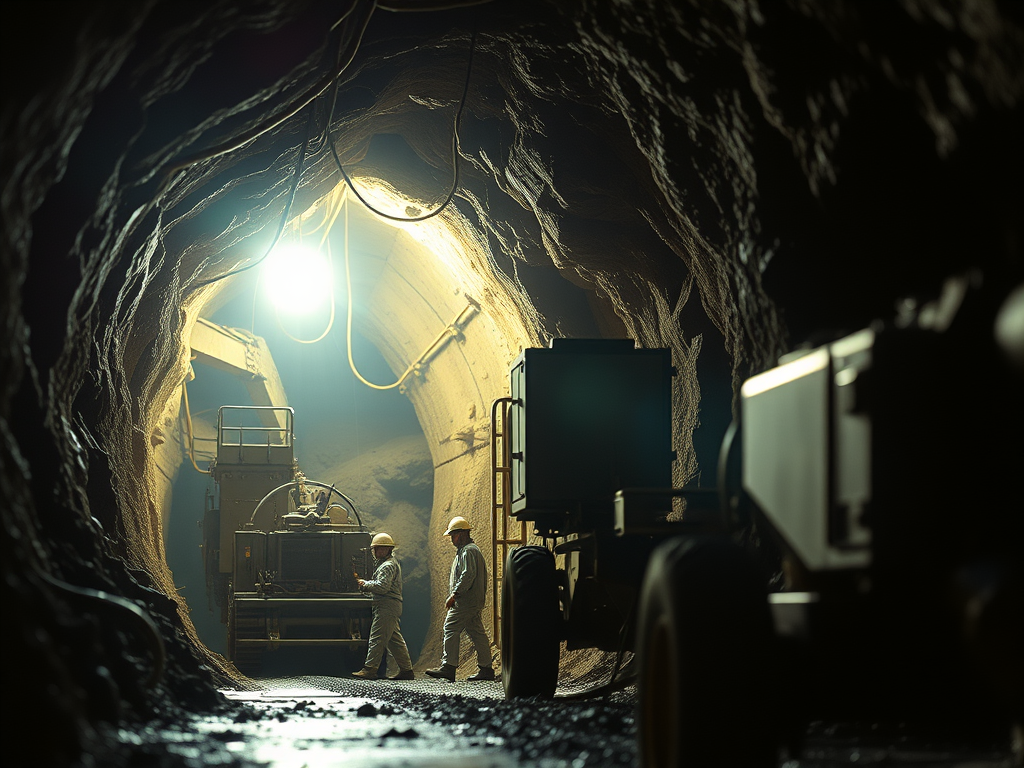
Underground mining presents unique challenges, with workers facing risks such as fires, explosions, and confined spaces with oxygen-deficient atmospheres. To address these hazards, mining operations must implement effective ventilation systems, maintain high standards of cleanliness, and regularly inspect and monitor underground environments. The use of tagging systems to account for all personnel underground is a crucial safety measure, ensuring that no one is left unaccounted for in case of an emergency.

Conclusion: The Imperative of a Safe Mining Environment
The mining industry plays a vital role in the global economy, but it must operate within the boundaries of safety and environmental stewardship. The guidelines provided by the World Bank Group’s Environmental, Health, and Safety (EHS) framework are invaluable in helping mining companies navigate the complexities of maintaining a safe work environment. By adhering to these guidelines, mining operations can protect their most valuable asset—their workforce—while also ensuring sustainable and responsible mining practices. In a sector where the stakes are high, both in terms of human life and environmental impact, prioritizing health and safety is not just the right thing to do; it is essential for the long-term success and viability of the industry.